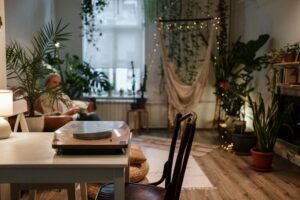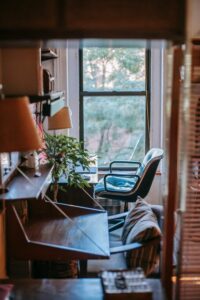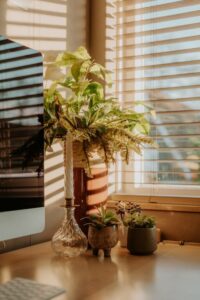
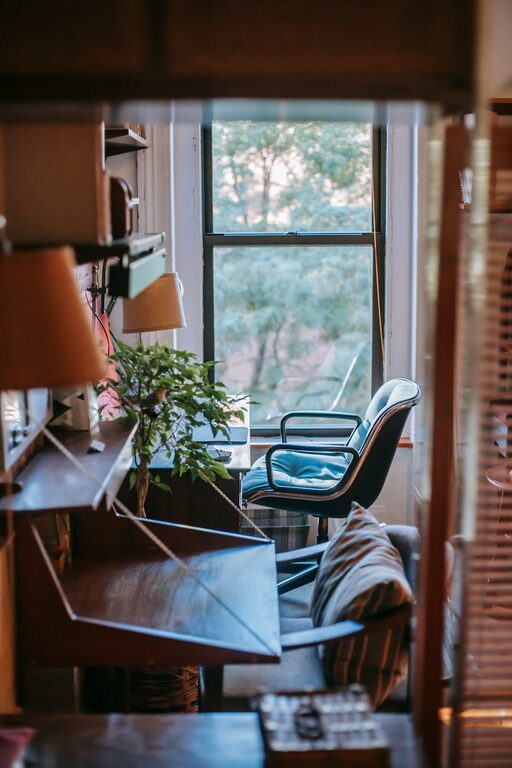
Creating a home office that feels both cosy and inviting can make a significant difference to your work-from-home experience. A well-designed space improves concentration, reduces stress, and makes the hours spent working more enjoyable. Whether you have a dedicated room or just a corner in your living area, these tips will help you design a home office that blends comfort with functionality.
Choose the Right Location
Prioritise Natural Light
Natural light is crucial for a pleasant workspace. Position your desk near a window if possible. Sunlight not only brightens up the space but also improves mood and reduces eye strain.
Consider Privacy and Quiet
Try to select a spot away from noisy areas such as the kitchen or TV room. If this isn’t possible, noise-cancelling headphones or soundproofing accessories can help maintain focus.
Comfortable and Ergonomic Furniture
Investing in good furniture is key to a cosy home office.
Select an Ergonomic Chair
Choose a chair that supports your back well and allows you to sit comfortably for long periods. An adjustable chair can be tailored to your height and desk setup.
Desk Size and Height
Your desk should have enough space for your computer, documents, and any other essentials without feeling cluttered. Ensure it’s at the right height to avoid strain on your wrists or shoulders.
Add Personal Touches
Personalising your office makes it inviting and reflects your personality.
Use Artwork and Photos
Add framed photos, your favourite prints, or inspirational quotes to brighten the walls. This creates a positive atmosphere and makes the space uniquely yours.
Incorporate Soft Textiles
Throw cushions, rugs, and curtains can make a room feel warmer and more welcoming. Choose colours and textures that soothe and motivate you.
Organise with Style
Clutter can quickly make a space feel stressful and cramped. Keeping your office tidy is essential for productivity.
Utilize Storage Solutions
Shelving units, drawers, and filing cabinets help keep papers and supplies organised. Look for storage that matches your décor style.
Desk Organisers and Trays
Small organisers can prevent your desk from becoming overwhelmed by stationery, notes, or cables.
Optimal Lighting for Work and Ambience
Beyond natural light, well-placed artificial lighting enhances comfort.
Task Lighting
A desk lamp with adjustable brightness helps avoid eye fatigue during evening work sessions.
Ambient Lighting
Soft overhead lights or floor lamps create a welcoming mood and reduce harsh shadows.
Bring in Greenery
Plants add life and freshness to your office. They improve air quality and can help reduce stress.
Easy-to-Care-For Plants
Consider snake plants, spider plants or succulents, which require minimal maintenance but add a touch of nature.
Choose a Soothing Colour Palette
Colours influence mood and productivity. For a cosy feel, opt for muted tones such as pastels, warm neutrals, or gentle blues and greens.
Use Colour Blocking
Accent walls or colourful accessories can add visual interest without overwhelming the room.
Incorporate Technology Thoughtfully
Ensure your technology setup is efficient but unobtrusive.
Cable Management
Use clips, boxes, or under-desk trays to keep cords tidy.
Quality Equipment
A good-quality keyboard, mouse, and monitor can improve comfort during long sessions.
Maintain Air Quality and Temperature
Good ventilation and a comfortable temperature are key to a pleasant office environment.
Use Air Purifiers or Fans
If your space feels stuffy, an air purifier or a small fan can help circulate fresh air.
Adjust Heating and Cooling
Keep the room warm in winter and cool in summer with portable heaters or fans if needed.
—
By combining these practical tips, you can create a home office space that is not just functional but also a cosy sanctuary where you want to spend your productive hours. Taking the time to design your workspace with care will benefit both your work and well-being.