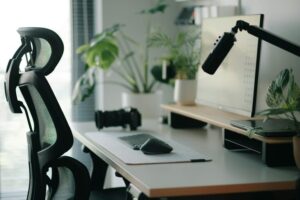

Creating a productive home office environment is essential for anyone working remotely or spending significant time at home on professional tasks. A well-organised and comfortable workspace not only enhances focus but also supports a healthy work-life balance. Whether you have a dedicated room or a small corner, these tips will help you craft an efficient home office tailored to your needs.
Choose the Right Location
Selecting the best spot for your home office is the foundation of a productive setup.
– Quiet and Private: Ideally, pick a location away from household noise and distractions. This might be a spare room or a secluded nook.
– Natural Light: Position your desk near a window to benefit from natural light, which can improve mood and reduce eye strain.
– Space Constraints: Even a small space can work if organised thoughtfully. Consider multi-functional furniture or vertical storage to maximise the area.
Invest in Comfortable and Functional Furniture
Your furniture choices directly impact your comfort and productivity.
– Ergonomic Chair: A supportive chair that encourages good posture is a must. Look for adjustable height and lumbar support.
– Appropriate Desk: Choose a desk with enough surface area for your computer, documents, and any other tools you regularly use.
– Standing Desks: If possible, a height-adjustable desk lets you alternate between sitting and standing, which is great for circulation and energy.
Organise Your Workspace
Keeping your desk clear and everything within reach helps prevent clutter from disrupting your workflow.
– Storage Solutions: Use shelves, drawers, or organisers to store stationery and files neatly.
– Cable Management: Tidy cables with clips or trays to avoid tangled messes and hazards.
– Minimal Decor: Personal touches can make your space inviting, but avoid overcrowding it, which can be distracting.
Set Up Proper Lighting
Lighting affects your eyes and overall ambience, so aim for balanced solutions.
– Task Lighting: A desk lamp with adjustable brightness allows you to focus light where needed.
– Avoid Glare: Position screens to reduce reflections and glare from windows or overhead lights.
– Warm and Cool Light: Use warmer tones for relaxation or cooler white lights to stay alert during work hours.
Manage Technology Efficiently
Your devices should help, not hinder, your productivity.
– Reliable Internet: Ensure your broadband connection is strong and stable to avoid interruptions.
– Necessary Equipment: Invest in quality accessories such as a headset, external monitor, keyboard, or mouse for comfort and efficiency.
– Backup Power: A surge protector or UPS can safeguard your electronics and keep you working during power fluctuations.
Maintain a Routine and Boundaries
Creating discipline and clear boundaries between work and home life is vital when working from home.
– Set Work Hours: Decide consistent start and finish times to structure your day.
– Breaks: Incorporate short breaks to stretch, refresh your mind, and avoid burnout.
– Separate Work and Leisure: When the workday ends, shut down your computer and leave your workspace to signal a clear boundary.
Incorporate Plants and Personal Comfort
Small touches can greatly enhance your work environment.
– Indoor Plants: Adding greenery improves air quality and can lift your mood.
– Temperature Control: Make sure your office space is comfortably heated or cooled, depending on the season.
– Noise Control: Use noise-cancelling headphones or soft background music if external sounds are distracting.
Keep It Clean and Clutter-Free
Regular cleaning and tidying prevent your workspace from becoming stressful.
– Daily Tidying: Spend a few minutes each day clearing your desk.
– Weekly Deep Clean: Dust surfaces and vacuum or mop floors to maintain a hygienic environment.
– Digital Organisation: Regularly clean up your computer files and emails to keep digital clutter at bay.
Adapt Your Space Over Time
Your home office needs may change, so it’s helpful to assess and adjust your setup periodically.
– Evaluate Comfort: Reflect on what’s working and what isn’t to tweak your furniture, lighting, or layout.
– Stay Informed: Keep up to date with ergonomic advice and technology that can enhance your workspace.
– Be Flexible: Sometimes shifting your chair, adding a new organiser or experimenting with layout can refresh your environment without big costs.
—
By combining thoughtful design, careful organisation, and daily habits, you can create a home office environment that helps you stay motivated and productive. Remember, comfort and functionality go hand in hand, so tailor your workspace to fit your personal work style and preferences.