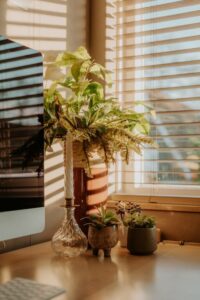
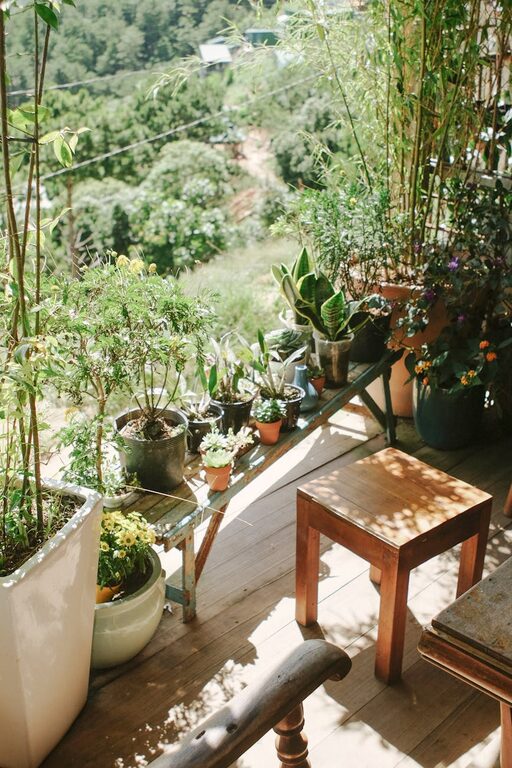
Creating a relaxing garden space at home is a wonderful way to bring a sense of calm and enjoyment to your daily routine. Whether you have a large backyard or a small patio, with thoughtful planning and a few key ideas, your garden can become a tranquil retreat. In this post, we’ll explore practical tips to help you design a soothing outdoor area that invites relaxation and reconnects you with nature.
Why Create a Relaxing Garden Space?
Gardens offer more than just visual appeal; they provide an opportunity to reduce stress, enjoy fresh air, and spend quality time outdoors. A well-designed garden space can boost your mood, encourage mindfulness and even improve your overall wellbeing. With busy modern lives, having a peaceful corner to escape to can be invaluable.
Assess Your Space and Plan
Before planting and decorating, consider the size, shape and existing features of your garden. Think about how you want to use the space and what will make you feel most relaxed. Are you looking for a quiet spot to read, a place to meditate, or an area to entertain friends? Knowing your priorities will guide your decisions.
Key Planning Steps:
– Measure your garden area and sketch a simple layout.
– Note sun patterns and shaded areas throughout the day.
– Identify any existing plants or structures to incorporate.
– Decide on essential elements like seating, pathways, or water features.
Choose Soothing Plants
Plants play a crucial role in creating a relaxing atmosphere. Opt for greenery and flowers that appeal to your senses and require manageable care. A mix of textures and colours can add interest without feeling overwhelming.
Suggestions for a calming garden:
– Lavender for its scent and soft purple blooms.
– Ferns and hostas for rich green foliage.
– Grasses like pampas or fountain grass for movement and texture.
– Jasmine or gardenia for fragrant flowers.
– Herbs such as mint or chamomile for scent and use in teas.
Try to select plants that thrive well in your local climate to reduce maintenance and waste. Container gardening is a great option if you have limited ground space.
Create Comfortable Seating Areas
To fully enjoy your garden, incorporate comfortable seating where you can relax, read or share conversations. This can be as simple as a bench, hammock or a set of cushioned chairs.
Tips for seating:
– Position seating to take advantage of the best views or shade.
– Use weather-resistant cushions and fabrics.
– Consider movable furniture for flexibility.
– Add a small table for drinks, books or plants.
Seating areas serve as the heart of your garden retreat and invite use.
Include Water Features for Calm
The sound of water can have a soothing effect and help block out noise from nearby roads or neighbours. Even a small water feature adds to the peace of your garden.
Ideas for water features:
– A bubbler fountain.
– A birdbath.
– A small pond with aquatic plants.
– A gentle waterfall or cascade.
Ensure features are safe and easy to maintain.
Add Paths and Soft Lighting
Paths encourage gentle walking and exploration, which can help clear the mind. Curved pathways create a natural flow and add interest. Using natural materials such as gravel, flagstone or mulch keeps the feeling organic.
Lighting is important if you want to enjoy your garden in the evenings. Soft, warm lighting maintains ambience without being harsh.
Lighting ideas:
– Solar-powered lanterns.
– String lights woven through plants.
– Low-level pathway lights.
Well-placed lighting extends your garden’s usability and enhances its relaxing feel.
Incorporate Natural Materials and Decorative Elements
Natural materials blend seamlessly into garden settings. Wood, stone, and bamboo fittings create an earthy vibe.
Consider adding:
– Wooden decking or pergolas.
– Stone sculptures or garden ornaments.
– Wind chimes for gentle sound.
– Cushions and throws with natural fibres.
These elements add personality without detracting from the garden’s calm nature.
Maintain Your Garden with Care
A relaxing garden requires regular upkeep, but it need not be overwhelming. Simple, consistent care such as watering, pruning and clearing debris keeps plants healthy and the space inviting.
Maintenance tips:
– Use mulch to retain moisture and reduce weeds.
– Choose plants with similar water needs.
– Schedule weekly or biweekly gardening time.
– Keep tools organised and accessible.
When your garden feels cared for, it naturally feels more peaceful.
Final Thoughts
Designing a relaxing garden space is a personal journey that reflects your tastes and lifestyle. Start small if needed, and gradually build your oasis over time. With the right blend of plants, seating, water features and thoughtful details, your garden can become a cherished sanctuary to recharge and enjoy nature’s simple pleasures.
Remember, relaxation comes from creating a space that feels welcoming and suits your needs. Put your own stamp on your outdoor space for a truly peaceful garden retreat right at home.